
Supplements and Contamination Risk: What Canadian Athletes Need to Know
A promising track athlete from Ontario orders a tub of pre-workout online. It’s got a shiny label, a five-star average, and a claim about “explosive energy.” Six weeks later, she gets a call from the Canadian Centre for Ethics in Sport. Her urine sample contains a banned stimulant she never knowingly took. Her season is over, her scholarship is in question, and she’s left asking the same question thousands of athletes ask every year: how did this happen? At the same time, supplement companies shout about contamination risk constantly, and some of it is genuine while some of it is marketing noise designed to sell “cleaner” products at a premium. So how do we separate genuine risk from hype? That’s what we want to break down here, with the facts Canadian athletes actually need.
Why Supplement Contamination Is a Real Threat to Clean Sport
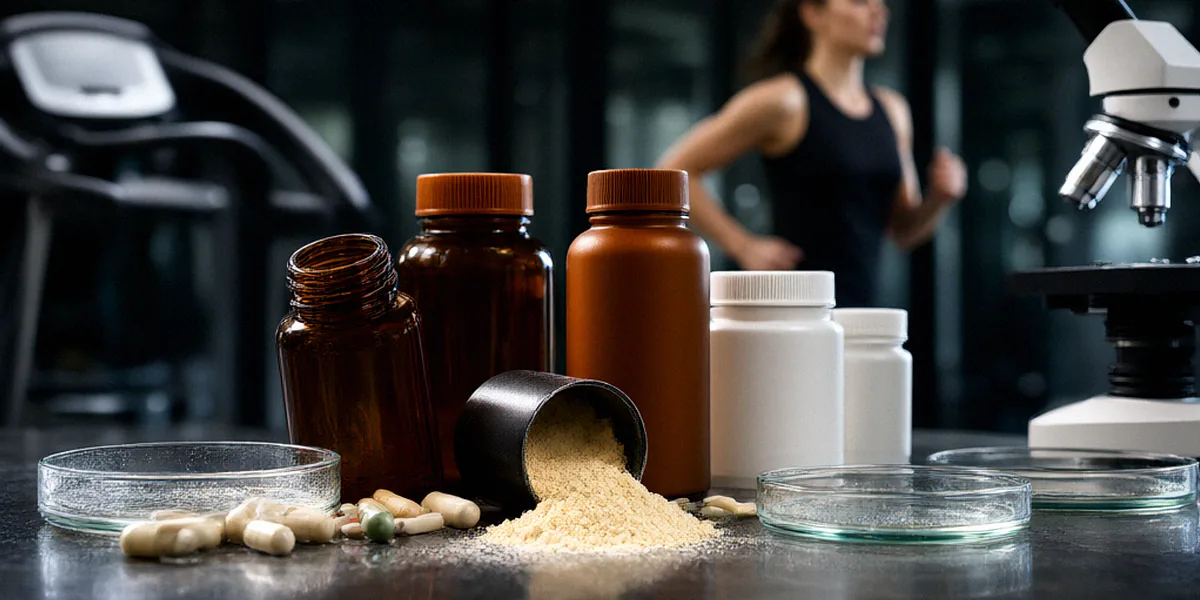
This isn’t a scare tactic. Independent research, including studies commissioned by the International Olympic Committee, has repeatedly found that somewhere between 10% and 25% of supplement products on the market contain undeclared steroids, stimulants, or other prohibited substances. That’s roughly one in four to one in ten products. If you’re taking three or four supplements a day, the math gets uncomfortable fast.
What surprises a lot of Canadian athletes is that even products licensed by Health Canada can be contaminated. Health Canada licenses natural health products for safety, quality, and labelling, but it does not test every batch for doping substances. Licensing is not the same as batch-level anti-doping certification, and treating it as such is a common and costly mistake.
The Scope of the Problem: What the Data Shows
Contamination shows up across every category: pre-workouts, fat burners, recovery powders, protein blends, and even some vitamins. A 2021 review of supplement studies found detectable levels of anabolic agents in a meaningful share of products that made no mention of them on the label. In some cases the contamination was trace, but under strict liability, “trace” doesn’t matter. A positive is a positive.
How Contamination Happens: From Raw Materials to Finished Products
Contamination isn’t usually a conspiracy. It’s a supply chain problem. Common causes include:
- Shared manufacturing equipment that isn’t properly cleaned between runs
- Raw ingredient suppliers shipping mislabeled or adulterated powders
- Cross-contamination at the filler or encapsulation stage
- Deliberate adulteration by low-cost suppliers looking to boost potency claims
When you buy a finished product, you’re trusting every link in that chain, most of which you’ll never see.
The WADA Code and Strict Liability: What Athletes Are Responsible For
Here’s the part that catches people off guard. Under the World Anti-Doping Code, athletes are strictly liable for any prohibited substance found in their system, regardless of how it got there or whether they intended to take it. The 2021 WADA Code reaffirms this principle, and the Canadian Anti-Doping Program, run by the Canadian Centre for Ethics in Sport (CCES), applies it domestically.
In plain terms: if it’s in your body and it’s on the Prohibited List, you own it. “I didn’t know” is not a defence. It can, in some cases, reduce a sanction, but it doesn’t erase the violation.
Strict Liability Explained: No Excuses, But Some Reductions
Strict liability doesn’t mean every case ends the same way. Athletes who can demonstrate the substance came from a contaminated product, and who took reasonable steps to verify it, may receive a reduced sanction under the “no fault or negligence” or “no significant fault or negligence” provisions. But these reductions are hard to win, and they require evidence: receipts, batch numbers, unopened product for testing, and a paper trail showing you did your homework.
The Prohibited List: Why ‘Natural’ Doesn’t Mean Safe
WADA updates the Prohibited List every year, and it includes plenty of substances that sound harmless. “Natural” is a marketing word, not a regulatory category. Herbal blends, plant extracts, and traditional remedies can contain prohibited compounds or be spiked with them. Some stimulants that occur naturally in plants are still banned in competition. Always check the current list before assuming anything is safe.
How to Assess Contamination Risk in Supplements
You can’t eliminate risk, but you can shrink it dramatically. The best tool available is third-party batch testing. Programs like Informed Sport, NSF Certified for Sport, and BSCG test products for prohibited substances and certify specific batches, not just brands. That distinction matters, because a certified brand can still have uncertified batches on shelves.
Canadian athletes can also check the WADA-accredited labs list to see which facilities are recognized for testing, and Health Canada’s Licensed Natural Health Products Database to confirm a product is legally licensed. Neither guarantees a clean batch, but both are useful filters.
Third-Party Certification: What It Does and Doesn’t Guarantee
Informed Sport and NSF Certified for Sport reduce contamination risk substantially, but they don’t eliminate it. Certifications cover the batches tested, and testing is a snapshot. A product can pass one batch and fail the next. Use certification as one layer of protection, not a permission slip to stop paying attention.
Red Flags: Proprietary Blends, ‘Underground’ Labels, and Too-Good-To-Be-True Claims
Some warning signs we tell athletes to watch for:
- “Proprietary blend” labels that hide individual ingredient amounts
- Products sold only through DM, forums, or “underground” sites
- Claims like “guaranteed 10 pounds of muscle in two weeks”
- No batch number, no expiry date, no manufacturer address
- Prices that are dramatically lower than comparable certified products
If a product is hiding its ingredients or making promises no legitimate supplement can keep, walk away.
Athlete Rights and Doping Control: What to Do If You’re Flagged
Getting flagged is terrifying, but you are not powerless. Athletes have rights throughout the doping control process, and knowing them before you need them makes a real difference.
Your Rights During Doping Control
During sample collection you have the right to:
- Have a representative (such as a coach or team doctor) present
- Request a delay for valid reasons like attending a medal ceremony
- Document any concerns about the process on the doping control form
- Receive a copy of the paperwork for your records
If an adverse analytical finding comes back, you have the right to request analysis of your B-sample, to be represented by legal counsel during hearings, and to present evidence. The CCES oversees the Canadian Anti-Doping Program and handles results management domestically.
The TUE Process: When and How to Apply
A Therapeutic Use Exemption allows an athlete to use a prohibited substance for a legitimate medical reason. You must apply before using the substance, not after. Applications go through your national anti-doping organization, and in Canada that typically means the CCES. Retroactive TUEs are only granted in limited emergency situations. If your doctor prescribes something on the Prohibited List, start the TUE paperwork that day.
Practical Steps for Canadian Athletes to Reduce Risk
Here’s what we tell athletes who want a workable plan. None of it is glamorous, but it works.
- Check every product with a sports pharmacist before you take it
- Use only batch-tested supplements from Informed Sport, NSF Certified for Sport, or BSCG
- Keep a log of everything you take, including brand, batch number, and date
- Consult Global DRO, the free online database, to check medications and supplements
- Ask your provincial sport organization whether free supplement testing is available
Global DRO is one of the most underused tools in Canadian sport. It’s free, it’s fast, and it lets you search by product name and sport to see whether something is permitted.
Building a Personal Supplement Policy
A personal policy means deciding in advance what you will and won’t take, so you’re not making decisions in a locker room or a supplement store aisle. Write it down. Include your approved brands, your certification requirements, and your rule for anything new: no certification, no consumption. Share it with your coach and your parents if you’re a minor.
Resources for Canadian Athletes: CCES, Global DRO, and More
The CCES runs the Canadian Anti-Doping Program and publishes athlete guides, e-learning modules, and a confidential inquiry line. Global DRO handles medication checks. Health Canada’s Licensed Natural Health Products Database confirms licensing. WADA’s website hosts the current Prohibited List and the accredited labs directory. Bookmark all of them.
FAQ
Can a Health Canada-licensed supplement still cause a positive test?
Yes. Health Canada licenses natural health products for safety and labelling, but it does not test every batch for doping substances. A product can be fully legal to sell and still be contaminated with a prohibited substance.
What happens if I test positive from a contaminated supplement?
You are still in violation under strict liability. However, if you can prove the substance came from a contaminated product and that you took reasonable precautions, you may qualify for a reduced sanction under the “no fault” or “no significant fault” provisions of the WADA Code.
Does Informed Sport certification mean a product is 100% safe?
No. Informed Sport and similar programs test specific batches and significantly reduce risk, but they don’t eliminate it. Certification is one layer of protection, not a guarantee.
How do I apply for a Therapeutic Use Exemption in Canada?
Apply through the Canadian Centre for Ethics in Sport before using the medication. Retroactive applications are only accepted in limited emergency situations, so start the process as soon as your doctor prescribes something on the Prohibited List.
Is Global DRO free to use?
Yes. Global DRO is a free online database that lets athletes check whether specific medications and supplements are permitted in their sport. It’s maintained by anti-doping organizations and updated regularly.
Zero risk doesn’t exist in supplement use, and anyone who tells you otherwise is selling something. But informed decisions, batch-tested products, and a clear understanding of strict liability under the WADA Code give Canadian athletes their best defence. Clean sport isn’t about being perfect. It’s about being deliberate, documenting your choices, and knowing your rights when the stakes are highest.




Post Comment