
How Doping Control Works: From Test to Verdict
It’s 6:45 a.m. on a Tuesday. An athlete is still in bed when there’s a knock at the door. Standing outside is a doping control officer with official credentials and a notification form. Whether this is a routine out-of-competition test or a surprise visit tied to the whereabouts system, the process that follows is governed by strict rules designed to protect both the integrity of sport and the rights of the athlete. In this explainer, we walk through exactly what happens from that first knock to a final verdict, and why it matters for anyone who cares about clean sport.
The Who, What, and Why of Doping Control
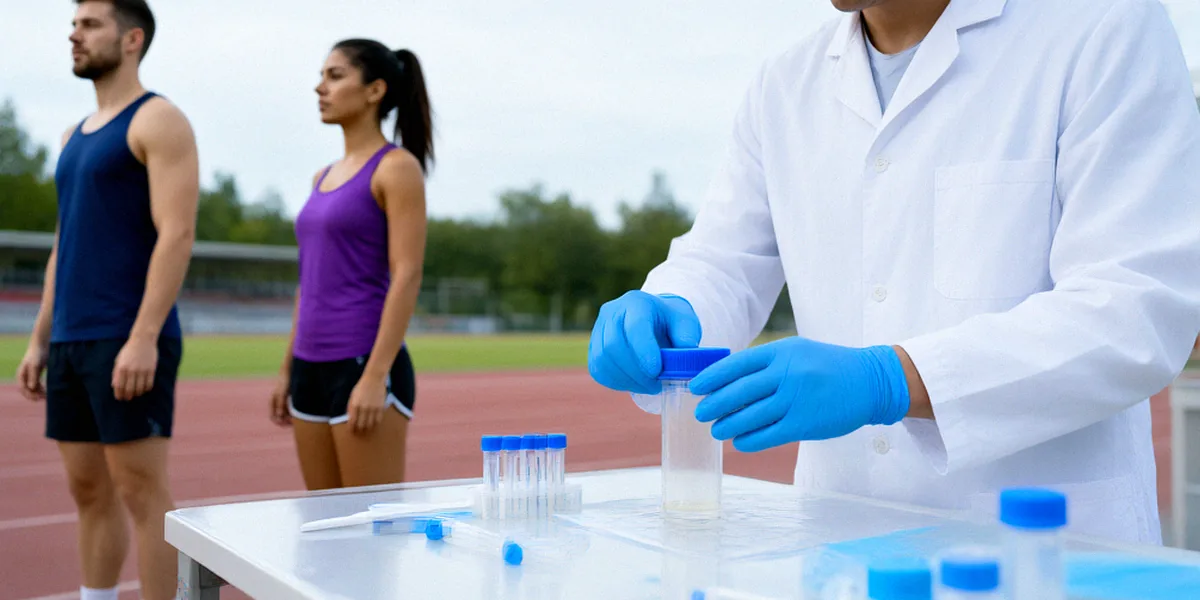
Doping control is the operational backbone of anti-doping. Without it, rules against performance-enhancing substances would be little more than words on paper. Here’s how we think about the system and who runs it.
What Is Doping Control?
Doping control refers to the entire process of testing athletes for prohibited substances and methods—from selecting who gets tested, to collecting and analyzing samples, to managing results and any subsequent sanctions. It operates under the WADA Code, the World Anti-Doping Code, which sets the global framework that national anti-doping organizations and sports federations must follow. The Code is complemented by the Prohibited List, updated annually, which specifies what substances and methods are banned in- and out-of-competition.
Who Oversees Doping Control in Canada?
In Canada, the Canadian Centre for Ethics in Sport (CCES) is the national anti-doping organization. The CCES conducts testing, manages results, delivers education, and ensures Canadian sport complies with the WADA Code. It works alongside Sport Canada, national sport organizations, and WADA itself. If you’re a Canadian athlete in a federally funded sport, chances are the CCES is the body that will show up at your door—or coordinate the test at your next competition.
Why Athletes Are Tested
Testing exists for two core reasons: to deter and detect cheating, and to protect athlete health. Some prohibited substances carry serious long-term risks—cardiovascular damage, hormonal disruption, liver toxicity. Testing also safeguards the principle of fair play, ensuring that results reflect training, talent, and preparation rather than pharmacology. We’d argue that a robust testing system benefits every athlete who chooses to compete clean.
The Doping Control Process: Step by Step
If you’ve never been tested, the process can feel intimidating. In practice, it’s highly structured, and every step is documented. Here’s the typical flow.
Athlete Selection and Notification
Athletes can be selected for testing through random draws, target testing based on intelligence, or as part of a required testing plan. Once selected, a doping control officer (DCO) notifies the athlete in person. The DCO must show identification and explain the athlete’s rights and responsibilities. From the moment of notification, the athlete is accompanied at all times—typically by the DCO or a chaperone—until the sample collection is complete. Delaying without valid justification can itself be treated as a violation.
Sample Collection: Urine and Blood
Most tests involve urine, though blood collection is increasingly common, particularly for the Athlete Biological Passport and for detecting substances like EPO. For urine collection, the athlete selects a sealed collection vessel, provides the sample in view of an official of the same sex, and then splits the sample into an A and a B bottle. Blood is drawn by a trained phlebotomist. In both cases, the athlete is entitled to be accompanied by a representative.
Documentation and Chain of Custody
Every sample is logged with a unique code, and the athlete confirms the details on the doping control form—including any medications or supplements they’ve taken. The chain of custody must be airtight: each transfer of the sample is recorded so that it can be traced from collection to the laboratory. Any break in that chain can compromise the evidentiary value of the test.
Your Rights and Responsibilities as an Athlete
Anti-doping isn’t just about catching cheaters—it’s also about protecting athletes from unfair treatment. The WADA Code and Canadian anti-doping rules spell out clear rights and obligations.
Know Your Rights During Testing
- The right to see the DCO’s identification and credentials.
- The right to be accompanied by a representative (a coach, teammate, or lawyer) during the process.
- The right to request modifications for a disability or medical condition.
- The right to receive a copy of the doping control form.
- The right to request analysis of the B-sample if the A-sample returns an adverse finding.
Athlete Responsibilities
Athletes must comply with testing when notified, remain within sight of the DCO until collection is complete, and provide accurate information about medications and supplements. Under the whereabouts system, athletes in a registered testing pool must file quarterly location details so they can be found for out-of-competition testing. Failing to do so—or accumulating three whereabouts failures in twelve months—can result in a sanction even without a positive test.
The B-Sample and Appeals Process
If an A-sample is reported as an adverse analytical finding, the athlete has the right to have the B-sample analyzed. If the B-sample confirms the finding, the case moves to results management. Athletes can contest the finding, present explanations, and ultimately appeal to the Court of Arbitration for Sport (CAS) or a national tribunal. The burden of proof rests with the anti-doping organization, but the standard is “comfortable satisfaction,” which is lower than criminal “beyond a reasonable doubt.”
What Happens After the Test?
Once the sample leaves the collection site, the scientific and legal machinery kicks in. This stage is where the WADA Code’s procedural safeguards matter most.
Sample Analysis and the Athlete Biological Passport
Samples are sent to WADA-accredited laboratories—there are none in Canada at present, so Canadian samples typically travel to labs in Montreal’s partner network or abroad. The lab screens for substances on the Prohibited List. Separately, the Athlete Biological Passport tracks biological markers over time, allowing anti-doping authorities to detect doping patterns even when no single sample flags a prohibited substance.
Results Management and Sanctions
If a sample returns an adverse finding, the CCES or the relevant international federation handles results management. Sanctions can range from a reprimand to a multi-year ban, depending on the substance, the circumstances, and whether the violation was intentional. Aggravating factors—like trafficking or administering to a minor—can extend sanctions significantly.
Therapeutic Use Exemptions (TUEs)
Athletes with legitimate medical needs can apply for a Therapeutic Use Exemption (TUE), which permits the use of an otherwise prohibited substance or method. TUEs are assessed against strict criteria: the athlete must have a diagnosed condition, the treatment must not enhance performance beyond restoring normal health, and no reasonable alternative can exist. In Canada, TUE applications are managed through the CCES.
Controversies and Criticisms of Doping Control
We think it’s important to be honest: the anti-doping system has real critics, and some of their concerns are legitimate. Here’s our take.
Privacy and the Whereabouts System
The whereabouts system requires athletes to provide detailed location information, including a 60-minute daily window. Critics argue this is intrusive and disproportionate. We understand that view—but we also recognize that out-of-competition testing is only effective if athletes can actually be found. The system is a trade-off, and reasonable people disagree about where the line should sit.
Calls for Reform
Some athletes and researchers have called for greater transparency in how testing decisions are made, more independence for anti-doping bodies, and better support for athletes navigating the process. We agree that reform is worth discussing, particularly around consistency of sanctions and access to legal support.
Balancing Fairness and Athlete Rights
The core tension in anti-doping is between catching cheaters and respecting athletes’ rights. We believe the WADA Code gets the balance broadly right—but only if athletes understand their rights and the system is applied consistently across countries and sports. Education is as important as enforcement.
FAQ
Can I refuse a doping control test?
Refusing or failing to submit to sample collection without compelling justification is a violation under the WADA Code and can result in a sanction comparable to a positive test. If you have a legitimate reason—such as a medical emergency—communicate it to the DCO and document it.
What is the Athlete Biological Passport?
It’s a tool that tracks an athlete’s biological markers over time to detect the effects of doping, rather than the substance itself. It allows anti-doping authorities to flag suspicious patterns even when a single sample doesn’t test positive.
How do I apply for a Therapeutic Use Exemption in Canada?
Applications are submitted through the Canadian Centre for Ethics in Sport (CCES). You’ll need medical documentation supporting the diagnosis and treatment, and the application must be approved before you compete—unless it’s an emergency retroactive request.
What happens if my B-sample confirms the A-sample finding?
The case proceeds to results management, where you can present your explanation. If a violation is established, sanctions may apply. You retain the right to appeal the decision to a tribunal or the Court of Arbitration for Sport.
Does Canada have a WADA-accredited laboratory?
No. Canadian samples are typically shipped to WADA-accredited labs outside the country. The CCES coordinates this logistics as part of its testing program.
Doping control is complex, and no system is perfect. But understanding how testing works—from the knock on the door to the final verdict—helps athletes protect themselves and helps fans trust what they’re watching. We encourage you to stay informed, know your rights, and support clean sport in whatever way you can.




Post Comment